Benefits of Roman Blinds for Light and Privacy
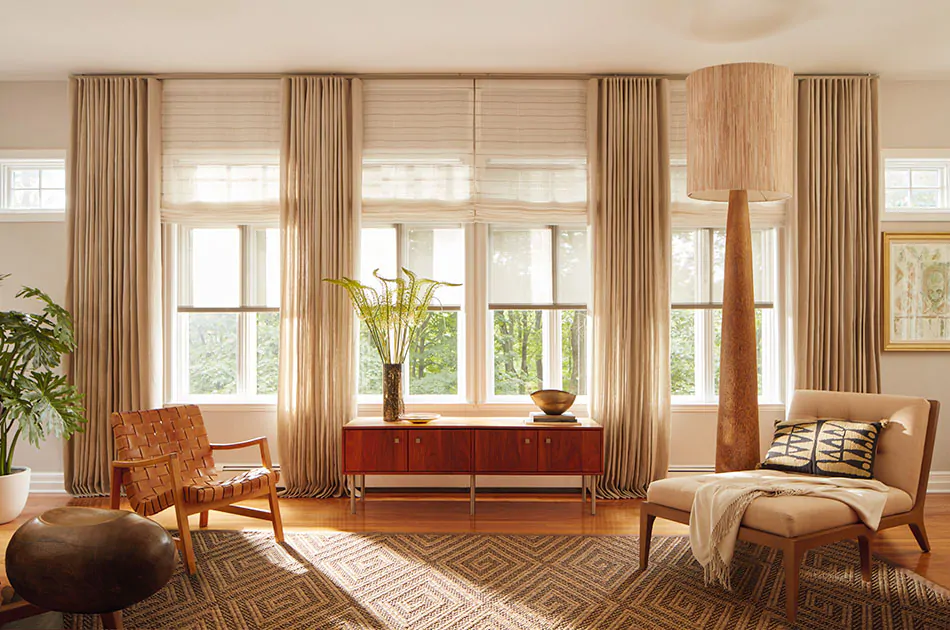
A home feels easier on the body when daylight is controlled and personal space stays protected. Roman blinds support both by sitting close to the glass with a fabric face that folds neatly as they are lifted. That simple build helps soften glare, limit harsh contrast, and reduce outside sightlines. With the right cloth, lining, and mounting choice, rooms stay comfortable for reading, work, and sleep, without feeling shut in.
A Simple Starting Point
Most households start by checking fabric density, then confirming accurate measurements and safe hardware. Guides for roman blinds melbourne often compare opacity and linings, since those details shape glare control and night privacy. Light-filtering cloth keeps rooms usable in daytime, while room-darkening or blackout layers reduce headlight flare and window visibility. Tight fit matters, because edge gaps weaken shading and screening.
Light Control Without Harshness
Roman blinds manage brightness by changing how much glass stays covered. Lowering the panel reduces direct sun and screen glare. Lifting it restores a view while the fabric stacks cleanly near the top. Many weaves diffuse light into a steadier glow, which helps the eyes adapt. Living areas benefit because walls and floors show fewer sharp highlights during peak sun.
Privacy That Matches Real Life
Privacy demands change with time and window position. Street-facing rooms often need stronger cover after dusk, since indoor lighting makes silhouettes easier to see. Roman blinds help because a continuous panel blocks angles that slats can leave open. In the daytime, light-filtering fabric can blur details while keeping rooms bright. A denser lining provides steadier screening after dark.
Better Bedroom Darkness
Sleep quality improves when night remains dark and early morning light arrives gently. Blackout or room-darkening Roman blinds can reduce streetlamp spill and passing headlight streaks. A close mount also limits thin bands of light at the edges. Many families notice that glare reduction leads to fewer premature wake-ups, especially in nurseries or rooms used by shift workers.
Lining Choices Change Outcomes
Lining decides how a blind behaves beyond its surface appearance. Light-filtering layers soften daylight and give modest daytime privacy. Blackout backings cut brightness and reduce evening visibility. Thermal linings add a barrier at the glass, which can lessen the chill felt near windows. Fabric weight also plays a role, since thicker textiles usually block more light.
Inside vs Outside Mount Matters
Mounting style influences coverage and privacy. An inside mount sits within the frame for a built-in finish, yet small side gaps can appear if the opening is shallow or uneven. An outside mount overlaps trim, improving edge coverage and making windows appear larger. Many households choose outside placement for bedrooms and media rooms, where light leaks feel more disruptive.
Cleaner Lines, Less Visual Clutter
Roman blinds suit spaces already busy with artwork, patterns, or open shelving. The raised stack stays compact, so the window looks tidy rather than heavy. That calmer visual field can support relaxation and attention. Flat-front styles read crisp, while soft-fold options add texture without bringing in hard lines or bulky drapery.
Easy Care for Everyday Spaces
Maintenance matters in kitchens, dining rooms, and pet-friendly homes. Many Roman blinds use durable fabrics that handle routine dusting and gentle spot cleaning. A quality lining can protect the face cloth from sun fade, helping the finish last longer. Cordless or chain-operated options can also simplify daily use, making quick adjustments more likely during changing light.
Noise and Comfort Near Windows
Windows often create a sense of draught and carry outside sounds. Fabric shades can soften that edge by adding a layer at the glass. Results depend on fit, textile thickness, and lining type, yet many rooms feel less sharp near the frame after installation. A quieter boundary supports focus in studies and calmer evenings in living areas.
Smarter Selection by Room
Each room’s purpose should guide specifications. Living areas often suit light-filtering fabric for a bright mood with reduced glare. Bedrooms usually benefit from room-darkening or blackout lining for sleep protection. Bathrooms may need moisture-suitable textiles and stronger privacy. Home offices often need glare control that still keeps screens readable. Matching features to routines prevents paying for extras that go unused.
Conclusion
Roman blinds provide a practical balance between daylight management and personal privacy. A continuous fabric panel reduces sightlines, while varied opacities support anything from a softened glow to near darkness. Lining, mounting, and precise measuring influence results more than style labels. By choosing specifications based on how each room is used, households can protect comfort, limit glare, and feel at ease after sunset, while keeping windows clean and welcoming.