Bathroom Ventilation Fan Maintenance Checklist for Every Season
Introduction
A bathroom fan works hard in every month of the year, yet many homes treat it as a set-and-forget fixture. That habit can shorten motor life, trap damp air, and raise the chance of mould on paint, grout, and ceilings. A seasonal checklist keeps airflow steady, noise lower, and cleaning manageable. Small tasks, repeated at the right time, usually cost less than fixing water damage after stale moisture starts to spread.
Summer Start
Warm months often raise indoor humidity after showers, especially in smaller rooms with limited window access. A well-maintained bathroom ventilation fan helps move moist air outside before condensation settles on mirrors, trims, and plasterboard. That simple routine supports cleaner surfaces, steadier airflow, and a drier ceiling cavity. Early summer is a smart time to inspect the grille, wipe dust, and confirm that the fan clears steam within several minutes.
Check Run Time
Many households switch the fan off too soon. Steam may fade from sight while damp air still lingers near the ceiling. Good practice is to run the unit for 15 to 20 minutes after bathing. A timer switch can help busy homes stay consistent. Regular use matters as much as cleaning, because poor habits reduce the value of even a strong unit.
Autumn Dust Pass
Autumn often brings more dust, lint, and outdoor particles into living spaces. Those fine layers collect on the cover and reduce air intake over time. A soft brush or vacuum attachment removes buildup without pushing dirt deeper into the housing. This quick pass also gives a clear view of cracks, yellowing plastic, or loose clips that may need attention before cooler weather arrives.
Winter Moisture Watch
Cold conditions make condensation more likely, because warm bathroom air meets cooler surfaces fast. During winter, residents should check for dripping on tiles, peeling paint, or dark marks near the fan opening. Each sign points to weak extraction or blocked ducting. If mirrors stay fogged long after showers end, the system may be undersized, dirty, or losing pressure through a leak.
Spring Deep Clean
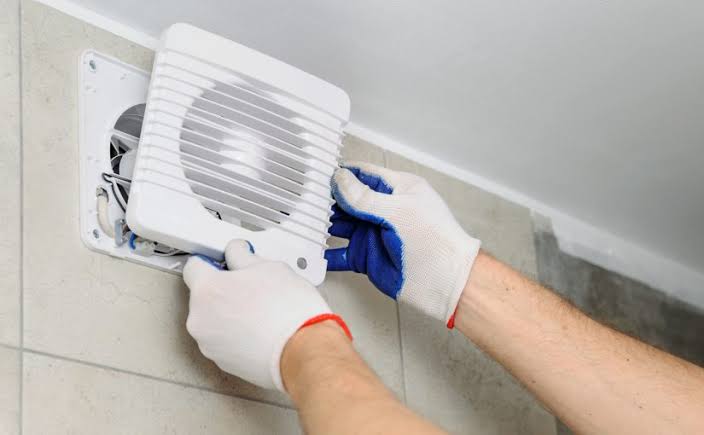
Spring is the best season for a fuller clean, because windows can stay open while the unit is off. Power should be isolated first for safety. After that, the cover can be washed with mild soap and dried fully. A careful wipe around the motor housing removes grime that slows performance. Heavy grease or stubborn residue may mean the room needs more frequent service.
Listen for Changes
Unusual sound is often the first warning sign of wear. A rattle may suggest a loose grille, while a hum can point to motor strain. Clicking noises sometimes mean a blade is rubbing against debris. Any new sound deserves attention, even if airflow still seems adequate. Quiet fans can still fail slowly, so listening during every seasonal check adds useful evidence.
Test Airflow
A simple tissue test offers a fast way to judge suction. If the tissue barely holds against the grille, airflow may be weak. That result can come from dust, long duct runs, crushed flex hose, or an external flap that sticks shut. Strong extraction should feel steady rather than erratic. Comparing results across seasons helps households notice decline before moisture problems become visible.
Duct and Outlet
A clean fan cannot perform well if the duct path is blocked. Birds, insects, insulation shifts, and outdoor debris can restrict the outlet over time. The external vent should open freely and close properly after use. Inside the roof space, any sagging or crushed section should be corrected. Shorter, smoother duct routes usually support better exhaust flow and lower moisture retention.
Plan Service Dates
Maintenance works best when it follows a calendar rather than memory. Many homes benefit from four light checks each year and one deeper clean in spring. Writing dates near the switchboard or setting phone reminders helps keep the pattern steady. Rental properties, family homes, and busy shared houses may need shorter intervals. A simple checklist also makes it easier to spot repeat faults.
Know When to Replace
Some fans continue running after their useful life has passed. Frequent noise, slow clearing times, cracked covers, or recurring damp patches can show that cleaning alone is no longer enough. Older units may also lack modern controls that improve moisture removal. Replacement should be considered when performance stays poor after servicing, because an aging fan can waste power while still leaving the room wet.
Conclusion
Seasonal care keeps a bathroom fan effective, quiet, and easier to trust during daily use. The work is simple, yet the payoff is clear: less lingering steam, fewer damp marks, and better protection for ceilings, walls, and fixtures. A short inspection in each season helps households catch small faults before they become expensive repairs. Consistent upkeep supports healthier indoor air and gives every bathroom a better chance to stay dry all year.