Introduction
Workplace safety often depends on small operational choices that shape daily routines. Housekeeping teams handle chemicals, linens, waste, tools, and refill stock across busy corridors and shared rooms. Without an organized transport system, staff may carry awkward loads, leave supplies unattended, or create blocked walkways. A well-planned cleaning process reduces those risks. Housekeeping trolleys support that process by bringing order, improving movement, and helping teams maintain safer environments.
Fewer Carrying Risks
Manual handling injuries often start with repeated lifting, twisting, and overreaching. Staff may carry bottles, bags, folded linen, or waste through long routes each shift. A Housekeeping Trolley keeps those materials together, at hand, and easier to move. That simple change lowers strain on backs, shoulders, and wrists while helping teams work with steadier posture.
Better Floor Control
Slips and trips remain common in hotels, offices, care sites, and public buildings. Loose items on floors raise that danger very quickly. When tools stay in compartments, corridors remain clearer and cleaner during active tasks. Wheels also reduce the need to set products down in doorways. As a result, foot traffic can move through shared areas with fewer sudden obstacles.
Safer Chemical Storage
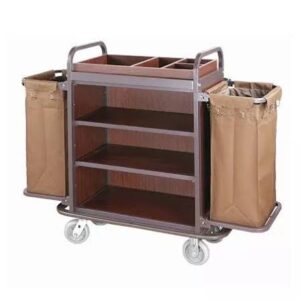
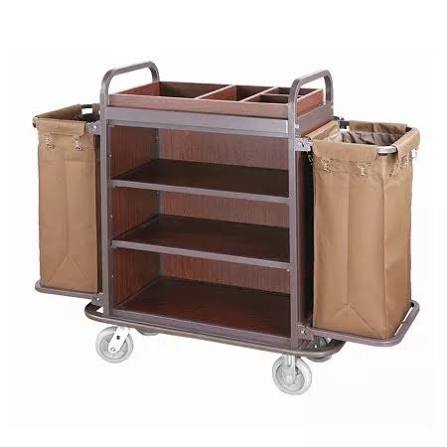
Cleaning liquids need careful separation, clear labels, and stable placement during transport. Open baskets or improvised carriers make spills far more likely. Trolleys with trays, shelves, and bag sections keep products in fixed positions while staff move between rooms. This arrangement helps teams avoid cross-contact between cloths, waste, and chemicals. It also supports faster access during routine cleaning tasks.
Lower Cross-Contamination
Shared workplaces require strong hygiene habits, especially where washrooms, kitchens, or patient areas need frequent attention. Order plays a major part in that effort. Separate zones for fresh linen, used cloths, waste bags, and refill items reduce accidental mixing. Staff can follow cleaner workflows because each item has a defined place. That structure supports safer sanitation standards across demanding environments.
Clearer Visibility
A cluttered cart slows work and hides missing tools. Poor visibility can lead to rushed decisions or unsafe substitutions. Organized shelving lets teams see stock levels before entering a room or corridor. Workers spend less time searching through piles or bending into deep bags. That improved visibility also helps supervisors check whether gloves, signs, and disinfectants are available before tasks begin.
Support for Warning Signs
Faster Placement
Safety signs matter most when they appear early, before someone steps onto a wet floor. A trolley gives those signs a reliable storage point near the worker. Teams can place caution boards quickly, then remove them once surfaces dry. Easy access prevents delays during rushed rounds. This helps staff protect visitors, colleagues, and contractors who may not expect a recently cleaned area.
Easier Movement Through Busy Areas
Large buildings often involve lifts, narrow passages, turning points, and crowded service routes. Carrying separate supplies through those spaces increases collision risks. A trolley centralizes tools in one movable unit, which improves control during travel. Staff can plan a cleaner path, pause safely at walls, and avoid repeated return trips. Fewer journeys across the building can mean fewer chances for incidents.
Better Waste Handling
Waste collection brings its own hazards, including leaks, sharp objects, and contact with used materials. Keeping refuse separate from fresh supplies is basic good practice. Many trolleys include washable bags or dedicated waste sections that help maintain this separation. Workers can secure rubbish sooner rather than balancing sacks by hand. That method supports cleaner handling and reduces contact risk during disposal rounds.
A Stronger Safety Routine
Safety improves when good habits become routine rather than occasional reminders. Trolleys support consistency because layout encourages repeatable steps from room to room. Staff know where items belong, when stock is low, and how to move through a task in the same safe order. Managers also gain a clearer basis for training. Standard equipment makes safe behavior easier to teach and maintain.
Conclusion
Housekeeping trolleys improve safety through practical control, not through complicated systems. They reduce lifting strain, limit trip hazards, organize chemicals, support hygiene, and help teams move with greater confidence. In busy workplaces, those gains add up across every shift. Cleaner routes, quicker access, and better separation of supplies protect staff and visitors alike. For many facilities, the trolley is a simple tool with a strong safety return.